Top 6 Signs You’re Ready for Dental Implants in London, As Noted by a Leading Cosmetic Dentist
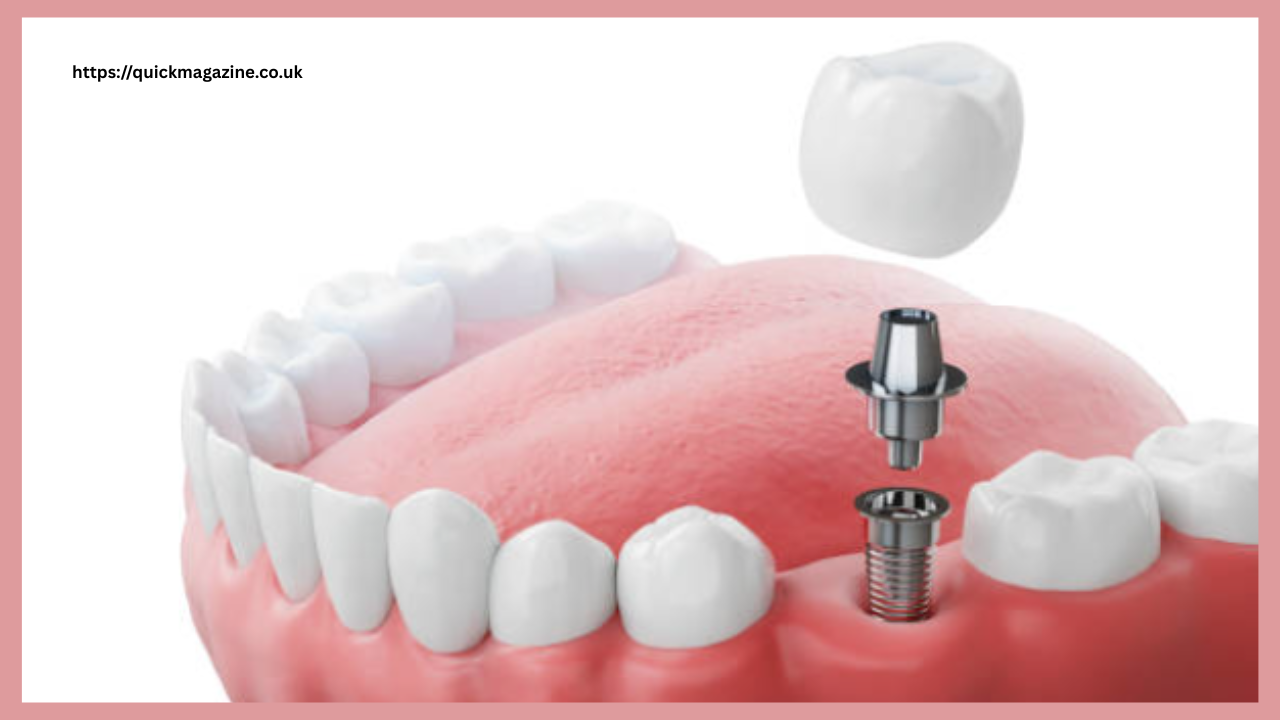
Tooth loss is a prevalent issue affecting millions, and while traditional methods such as partial dentures or fixed bridges have long served as restorative options, contemporary dental practice frequently positions dental implants as the premier, definitive solution. Implants fundamentally replace the root of a missing tooth, creating an unparalleled, stable, and secure foundation for a prosthetic tooth or crown. Deciding to proceed with implants is a significant healthcare step, and recognising the specific, practical indicators of suitability is essential to initiating a successful treatment plan. This detailed article explores the top six clear signs and offers a pragmatic guide for individuals considering this transformative procedure.
The decision to pursue a fully restored smile begins with an honest evaluation of the functional and aesthetic limitations imposed by the current dental condition and a genuine desire for a secure, permanent remedy. Many individuals unnecessarily tolerate chronic discomfort or functional compromises without appreciating that a fixed, titanium-based restorative option is not only available but is often the most beneficial choice for long-term oral health. Understanding when to transition from temporary fixes to a durable, biologically integrated foundation is key to restoring full oral function. Dental implants are more than aesthetic enhancements; they are comprehensive, reconstructive devices engineered to perfectly mimic natural teeth in structure, feel, and function, and to arrest the inevitable bone deterioration that follows tooth extraction.
Professional insight from MaryleboneSmileClinic: Dental implants offer unparalleled stability and predictable outcomes, fundamentally enhancing a patient’s quality of life. Patients consistently report a full return to natural eating habits, often noting they can enjoy foods they had avoided for years. If you are experiencing ongoing dissatisfaction with the fit or function of removable dentures, or if a tooth is deemed non-restorable, it is highly advisable to explore the fixed solution that implants provide. To view detailed information on the dental implant procedure, success rates, and London prices, please visit this dental implants page for comprehensive patient guides.
Recognizing your readiness for dental implants typically requires a detailed, professional assessment of both the daily impact of tooth loss and your overall dental health. For residents of the capital and surrounding areas, seeking a consultation with a reputable cosmetic dentist in London is the first step. These specialists have expertise in precisely placing the implant post and delivering the final crown with critical aesthetic precision, ensuring the new tooth is virtually indistinguishable from its natural neighbours. The entire process is a meticulous exercise in surgical precision and prosthetic artistry, making the timing and selection of the right practitioner vital for achieving both optimal function and long-term satisfaction. The following sections outline the clinical, functional, and health-related signs that strongly indicate you are an excellent candidate for dental implant treatment.
Section One: Indicators of Tooth Loss and Restoration Needs
Sign 1: You Have One or More Missing Teeth
The most direct and unequivocal indicator of readiness for dental implants is the simple absence of one or more natural teeth. Regardless of whether the loss was caused by severe decay, physical trauma, or advanced periodontal disease, the resulting void poses complex challenges to the stability and structure of the rest of the mouth. Crucially, when a tooth is extracted, the portion of the jawbone that previously encased the root—and was stimulated by it—begins a process known as resorption. This bone shrinkage not only alters the appearance and structure of the jawline over time but also significantly jeopardises the structural support for adjacent, healthy teeth. An implant serves as a functional replacement for the root, integrating with the bony structure through osseointegration, which effectively halts degeneration and preserves natural bone density and facial contour.
A missing tooth also creates a significant functional imbalance in the bite, often causing the teeth neighbouring the gap to slowly migrate and tilt inward, attempting to close the open space. This drifting can rapidly lead to malocclusion, making thorough cleaning difficult and significantly increasing the risk of further decay, cavities, and localized gum disease. A properly placed dental implant fills the space permanently, ensuring the proper alignment of your existing bite and, most importantly, distributing the immense forces generated during chewing evenly across the entire dental arch. This maintenance-of-force distribution is essential to protecting the health and longevity of your remaining natural dentition. Unlike traditional bridges, implants are a standalone, fixed solution that requires no destructive modification, such as grinding, of the adjacent healthy teeth. This preservation of existing tooth structure is a significant clinical advantage.
Sign 2: Your Dentures Are Loose, Painful, or Unstable
Many patients initially opt for conventional removable dentures—full or partial—to address tooth loss, but many eventually experience significant functional and comfort drawbacks. Loose-fitting dentures are a strong indicator that implant-supported stability and comfort are necessary. The primary reason for this looseness is persistent bone loss in the jaw. As the supporting bone shrinks over time, the denture base no longer conforms precisely to the underlying gum tissue, resulting in embarrassing slippage, chronic, painful rubbing, and the constant, inconvenient reliance on dental adhesives. This lack of inherent stability can severely limit dietary choices, potentially leading to long-term nutritional issues and persistent anxiety about the denture shifting or falling out in public settings.
Implant-supported overdentures, often referred to as ‘All-on-4’ or fixed hybrid bridges, represent a powerful restorative advancement. A modest number of precisely placed implants—typically four to six—can fully anchor a complete arch of prosthetic teeth, eliminating all movement and slippage. The transition from a frustrating, removable appliance to a completely fixed, permanent set of teeth is often described as a life-altering experience. This stability restores a significantly higher degree of natural chewing efficiency, allowing patients to confidently and comfortably enjoy a wide range of foods previously off-limits. The significant improvements in security, comfort, and self-confidence are key clinical reasons to move beyond the compromises of traditional dentures and embrace the permanence of implant dentistry.
Section Two: Clinical and Aesthetic Imperatives
Sign 3: You Have a Failing or Severely Damaged Tooth
Often, implant readiness is less about a missing tooth and more about a tooth that is compromised beyond the scope of conventional repair and requires imminent extraction. This includes teeth with severe vertical cracks extending below the gum line; teeth with root canals that have failed multiple times and developed persistent infection; and teeth affected by profound, irreversible external root resorption. In these scenarios, the tooth is a liability and must be removed to preserve the health of the surrounding bone and gum tissue. Deciding to transition directly from extraction to immediate implant placement, where appropriate, can significantly shorten the overall treatment timeline and prevent the immediate onset of bone loss. This planned, proactive approach to tooth replacement is far superior to waiting until bone loss has already complicated the site.
The decision to deem a tooth unrestorable is typically made after a thorough review of detailed radiographs and clinical examinations by a specialist. Once this determination is made, the implant procedure is not merely a replacement but a strategic, prophylactic measure. It eliminates a source of chronic infection while simultaneously laying the groundwork for a permanent, functionally superior replacement. For patients actively managing complex dental issues, discussing the long-term prognosis of severely compromised teeth with a qualified professional, such as a specialist cosmetic dentist in London, can clarify the pathway to a permanent solution. The ability to replace a failing tooth with a fixture guaranteed to last for decades represents a significant upgrade in oral health security.
Sign 4: You Want to Avoid a Traditional Dental Bridge
Many patients missing a single tooth are offered a conventional fixed dental bridge. While functional, the traditional bridge design requires the preparation—the grinding down and crowning—of the healthy teeth immediately adjacent to the gap. This irreversible structural alteration is often viewed as a significant disadvantage by informed patients who wish to preserve their natural, healthy tooth structure. Once crowned, the abutment teeth become more vulnerable to future issues, including sensitivity, decay beneath the crown margins, and the potential need for root canal treatment.
Dental implants offer a non-destructive alternative to the fixed bridge. A single dental implant is placed into the jawbone beneath the missing tooth, acting as a standalone anchor for the crown. It requires absolutely no intervention with the healthy teeth on either side of the space. This is a crucial distinction for individuals prioritising the preservation of their existing enamel and natural tooth structure. Furthermore, an implant is easier to clean than a bridge; a bridge requires special tools to clean under the prosthetic tooth, while an implant can be brushed and flossed virtually identically to a natural tooth. For patients focused on meticulous long-term maintenance and structural integrity, choosing an implant to replace a single tooth is the clinically preferred and most conservative option.
Section Three: Underlying Health and Bone Integrity
Sign 5: You are Experiencing Jawbone Loss and Need Fixed Support
While severe, long-standing jawbone loss might seem like an absolute contraindication for implants, the opposite is often true: the condition is a sign that implants are critically needed to halt the progression of atrophy and stabilise the existing bone structure. Bone loss, or alveolar resorption, occurs due to the lack of stimulation once a tooth root is removed. Over time, this loss can render traditional dentures unusable and alter the lower face’s dimensions, resulting in a sunken or prematurely aged appearance. Implants are the only restorative treatment that physically stops this degenerative process.
When significant bone density is missing, the patient is ready for a two-stage approach: a bone grafting procedure, followed by implant placement. Modern techniques, including sinus lifts (for the upper jaw) and block grafts (for the lower jaw), enable skilled cosmetic dentists in London to regenerate or augment the jawbone to a sufficient volume and density to support the implant post. In this context, readiness is defined as the willingness to undergo the necessary pre-surgical bone augmentation. This effort is an investment in ensuring the long-term success and stability of the final restoration, proving that even in the presence of bone deficiency, a fixed, implant-supported solution remains the ultimate clinical goal.
Sign 6: You Are in Good General Health and Committed to Maintenance
While the previous five signs focus on dental factors, the final crucial indicator is rooted in the patient’s overall systemic health and commitment to postoperative care. Dental implant surgery is an elective surgical procedure, and an ideal candidate is generally free from poorly controlled chronic conditions that could compromise healing or osseointegration. This includes conditions such as uncontrolled diabetes, which can impair the body’s healing response, or heavy smoking, which significantly reduces blood flow to the gums and can drastically lower the success rate. A patient who is ready for implants is managing any existing health issues effectively and has received medical clearance where necessary.
Equally important is a strong, demonstrable commitment to strict oral hygiene protocols before and after surgery. Implants require the same diligent care as natural teeth—regular brushing, flossing, and attending routine check-ups with the dentist and hygienist. While implants cannot develop decay, they can be affected by peri-implantitis, a gum disease similar to periodontitis that can lead to bone loss around the implant and eventual failure. Therefore, readiness for implants also entails accepting the long-term responsibility for maintaining the health of the entire mouth. For patients who meet these clinical and behavioural criteria, dental implants offer a predictable, permanent, and profoundly successful restorative outcome.
Conclusion
The decision to choose dental implants is a pivotal move towards superior oral health, function, and aesthetics. The six signs outlined—ranging from the simple absence of a tooth and the frustration of loose dentures to the clinical need to preserve healthy adjacent teeth and a dedication to personal health—collectively indicate readiness for this advanced restorative solution. Implants offer a fixed, durable, and highly successful alternative to the compromises inherent in other restorative options. By recognising these indicators and seeking guidance from experienced professionals, patients can confidently take the steps needed to secure a smile that is not only beautiful but also structurally sound and built to last.
Read More: 5 Hidden Perks of a Perfectly Symmetrical Smile.













Post Comment